7 Warning Signs Your Tree Is Dangerous
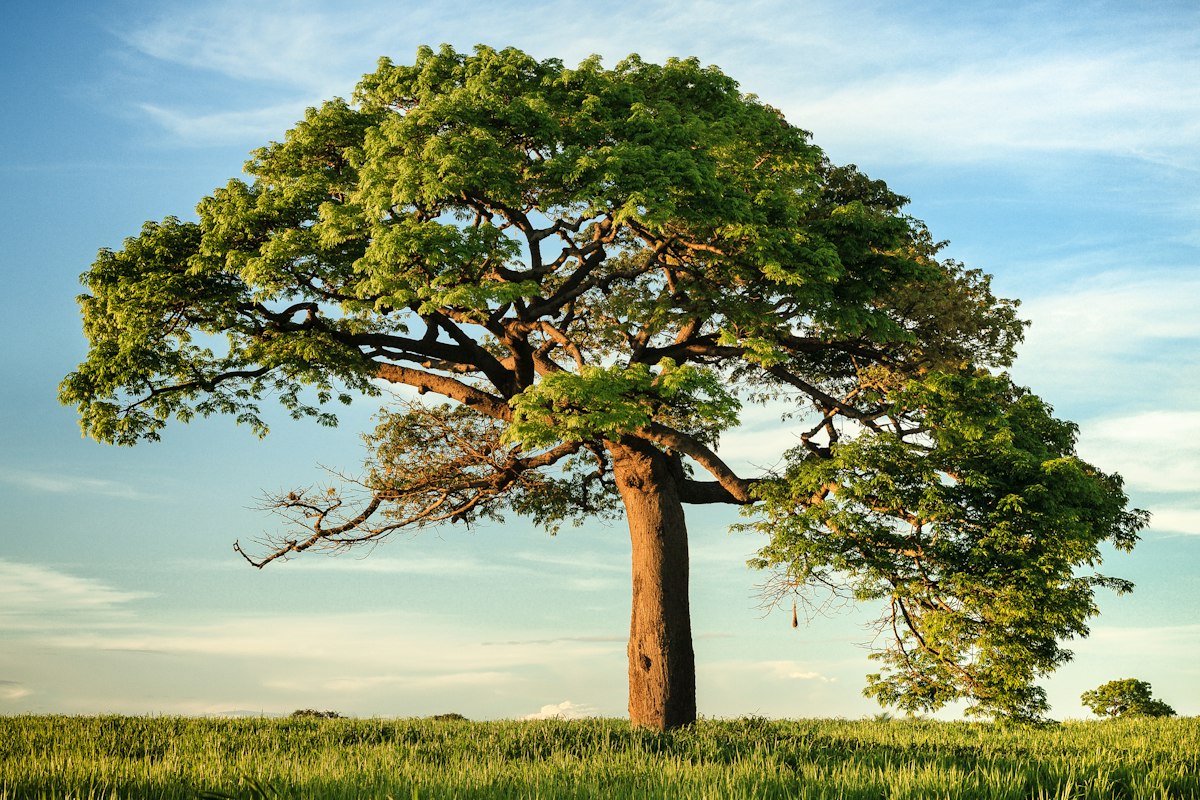
Not all tree problems are obvious. A tree can look healthy from a distance but harbor serious structural defects that make it a safety hazard. Knowing the warning signs of a dangerous tree can help you protect your home, family, and property. If you spot any of these red flags, contact a professional arborist immediately.
Safety First
If you suspect a tree is dangerous, keep people and pets away from the area and call a professional tree service immediately. Do not attempt to remove or climb a hazardous tree yourself.
1. Severe Lean or Sudden Tilt
A tree that leans significantly (especially if the lean developed recently) indicates root failure or soil movement. If you notice exposed roots on the opposite side of the lean, the tree is at high risk of falling.
2. Large Cracks or Splits in the Trunk
Deep vertical cracks, splits between co-dominant stems, or horizontal cracks are structural failures waiting to happen. These defects compromise the tree's ability to support its own weight, especially during storms.
3. Hollow or Decayed Trunk
Cavities, soft or crumbling wood, and fungal growth (mushrooms or conks) on the trunk indicate internal decay. A tree can survive with some decay, but extensive hollowing weakens structural integrity.
4. Dead or Hanging Branches
Large dead branches (widow-makers) can fall without warning, especially during wind or ice. Multiple dead branches throughout the canopy suggest the entire tree is declining and may be dying.
5. Root Problems
Visible root damage, severed roots from construction, fungal growth at the base, or soil heaving around the trunk all indicate compromised root systems. Trees with root issues can topple suddenly.
6. Proximity to Structures or Power Lines
Even a healthy tree becomes dangerous if it's too close to your home, garage, power lines, or other structures. Overhanging branches can damage roofs, and a falling tree can cause catastrophic property damage.
7. Storm Damage
Trees that have been struck by lightning, damaged by ice, or partially uprooted by wind are unstable. Even if the tree appears to be standing normally, internal damage may have occurred.
What to Do If You Spot These Signs
If you notice any of these warning signs, don't wait. Contact a certified arborist or professional tree service for an assessment. They can evaluate the tree's condition, determine the level of risk, and recommend the safest course of action—whether that's pruning, cabling, or complete removal.
Tarzan Tree Services specializes in dangerous tree removal throughout central North Carolina. We have the experience, equipment, and safety protocols to handle even the most challenging tree situations. Our team can assess your tree, provide a detailed plan, and remove it safely without damaging your property.
Prevention Is Key
Regular tree inspections—especially after storms—can help you catch problems early. Look for changes in your trees' appearance, structure, or health. If you're unsure whether a tree is safe, err on the side of caution and call a professional. It's far better to address a potential hazard proactively than to deal with the aftermath of a fallen tree.
Concerned About a Dangerous Tree?
Tarzan Tree Services provides emergency tree removal and professional assessments throughout North Carolina. Call us for immediate assistance.